What to Check When Trying a Camera in Person
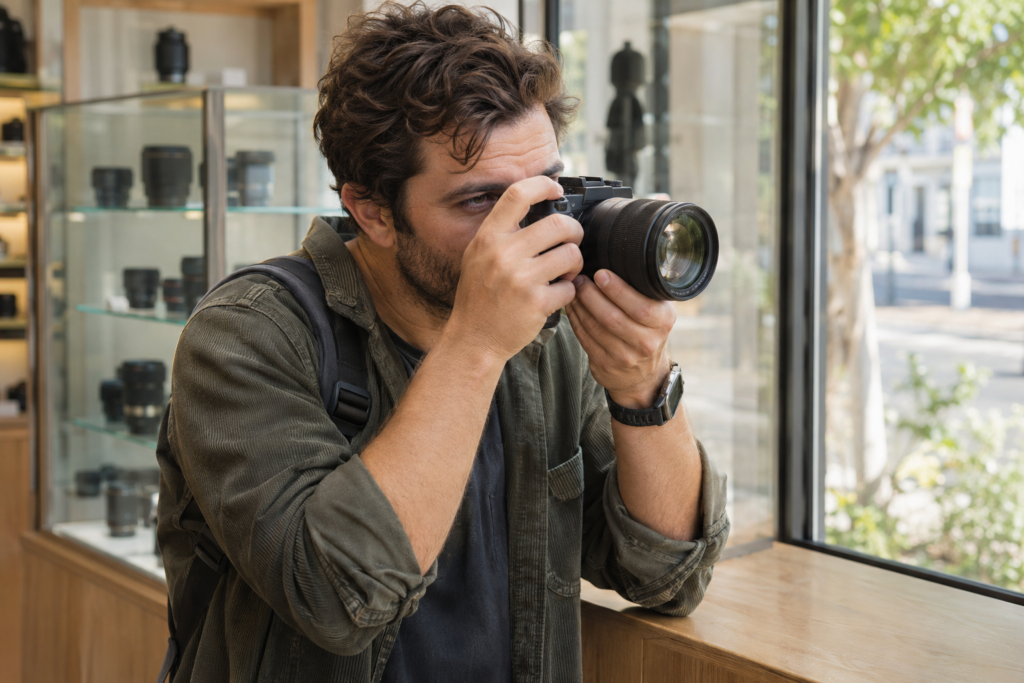
A visit to a camera shop gives buyers a chance to handle the camera and lens combination they would use on a trip or at home. A few minutes with the kit can reveal whether the grip feels secure, the controls are within reach and the lens adds more weight than expected. Perth photographers can use the search term camera shop perth to find local retailers where they can try shortlisted models. An in-store trial can help narrow the shortlist, while a weekend with the camera gives buyers time to see how it handles on a typical outing. Those who want a longer trial can look up camera rental perth and check whether the same body and lens are available for short-term hire.
Start with the lens that will stay on the camera
A camera body can feel light on its own and noticeably heavier once a lens is attached. Buyers can start by asking to try the lens they expect to use most often. For a traveller, that might be a compact zoom that covers street scenes and portraits. Someone photographing weekend sport may want to try a longer lens and see how steady it feels when following a moving subject.
It helps to spend a few minutes holding the complete kit at eye level and a few more carrying it with the strap. The weight can feel quite different once the camera is hanging from a shoulder or being lifted repeatedly. Buyers who already own a bag can bring it along to check whether the camera fits with the lens attached. A kit that packs away easily is more likely to come along on an ordinary outing.
Take the kinds of photos that matter most
A useful test starts with a familiar subject. A parent who usually photographs children indoors could ask a companion to walk across the shop and take a short sequence as they move. A photographer who enjoys food or still life could frame a small object on the counter and see how close the lens can focus. Someone planning to photograph markets or family gatherings could try framing a scene from waist height with the rear screen tilted upwards.
Afterwards, buyers can zoom in on a few frames during playback and check where the focus landed. In a sequence of a person walking, for instance, the face may be sharp in the first frame and soft in the next few. Trying the sequence again with the appropriate autofocus setting gives the buyer a chance to see how well the camera follows movement and how easy that setting is to find.
Change a setting without lowering the camera
A practical way to compare two shortlisted models is to repeat the same task on each. A buyer could frame a subject through the viewfinder, adjust the exposure to make the image brighter, then move the focus point and take another photo. A photographer who often works in changing light can pay attention to which controls are easy to reach while keeping a secure grip.
The viewfinder deserves a few minutes of its own. Buyers who wear glasses can check whether they can see all four corners of the frame and read the information along the edges. Anyone who mostly composes with the rear screen can tilt it through the angles they actually use. A low angle that works well for photographing a pet may require a different screen position when the camera is turned vertically.
Compare the cost of the kit they would take home
Once a buyer has handled a few models, a written quote makes it easier to compare the combinations they tried. The quote can list the body, the exact lens and any essentials they need to buy, such as a compatible memory card or a spare battery. Photographers who already own lenses can also ask whether an adaptor is required and try it with one of their own lenses if the shop allows it.
A short note after each trial can capture details that are easy to forget, such as a grip that stayed comfortable with a longer lens or a screen that made low-angle shots easier. Testing a camera in person helps buyers compare how it feels, how easily they can change settings and whether it suits the way they take photos.